Commercial Flooring for Hotels and Event Venues: What Operators Need to Know

Ronell Moore
Owner, 180 Degree Floors & Moore
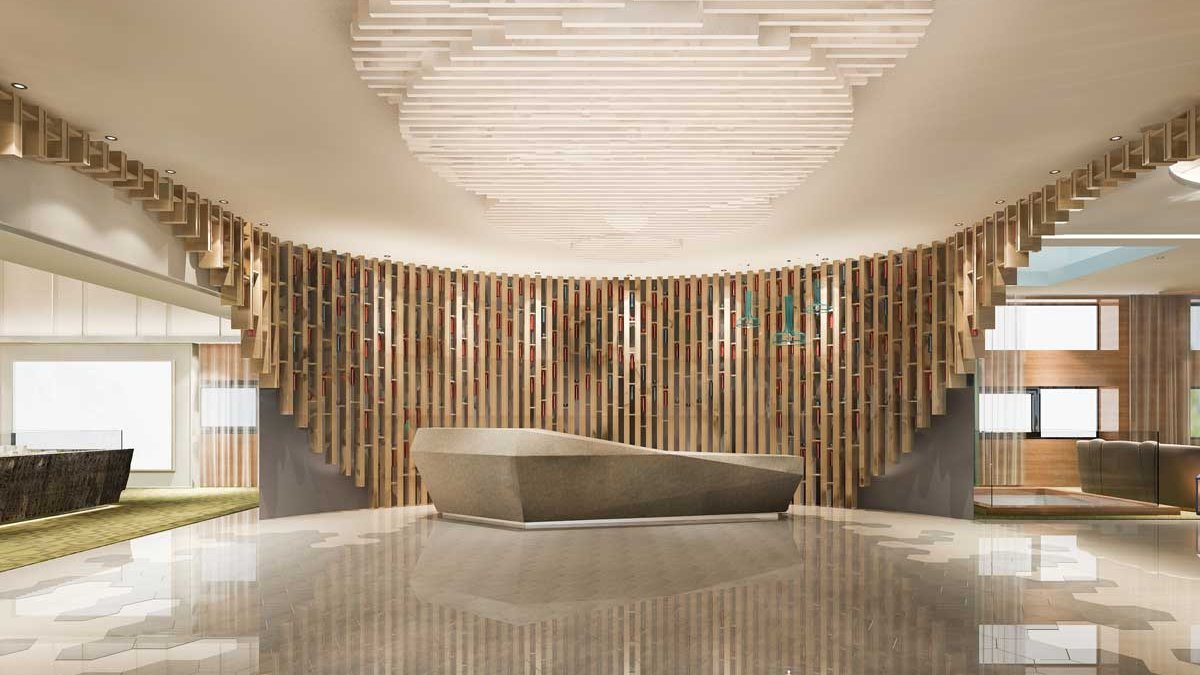
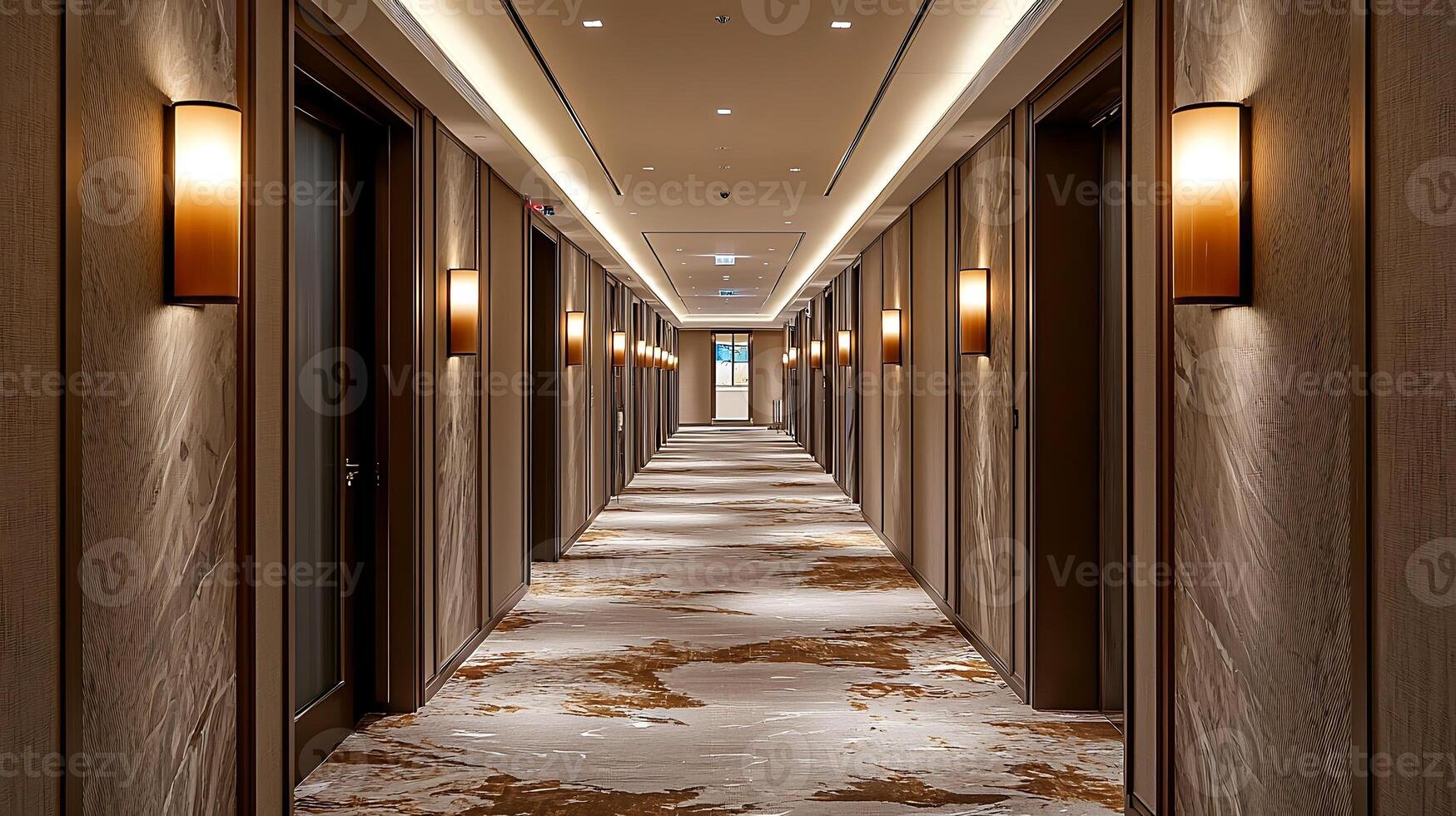
Hospitality environments present unique flooring challenges that most residential-grade products simply cannot handle. The combination of continuous foot traffic, rolling loads from luggage carts and equipment, moisture from cleaning protocols, and the aesthetic expectations of guests creates a demanding set of requirements that eliminates the majority of flooring products on the market.
Hotels and event venues typically need flooring that can withstand 50,000+ footfalls per day in lobby and corridor areas. The material must resist moisture without warping, maintain its appearance under heavy cleaning schedules, and be repairable without closing entire sections. Meeting all of these criteria simultaneously is why hospitality flooring specification requires a different approach than office or retail environments.
Rolling loads are the silent destroyer of hospitality flooring. Luggage carts, housekeeping trolleys, and banquet equipment routinely exert 150 to 300 lbs of concentrated weight on small caster wheels. This creates point loads that can indent, crack, or delaminate flooring not rated for commercial rolling load standards. ASTM F2753 establishes the testing protocol, but the real-world test is whether the floor still looks acceptable after two years of daily cart traffic.
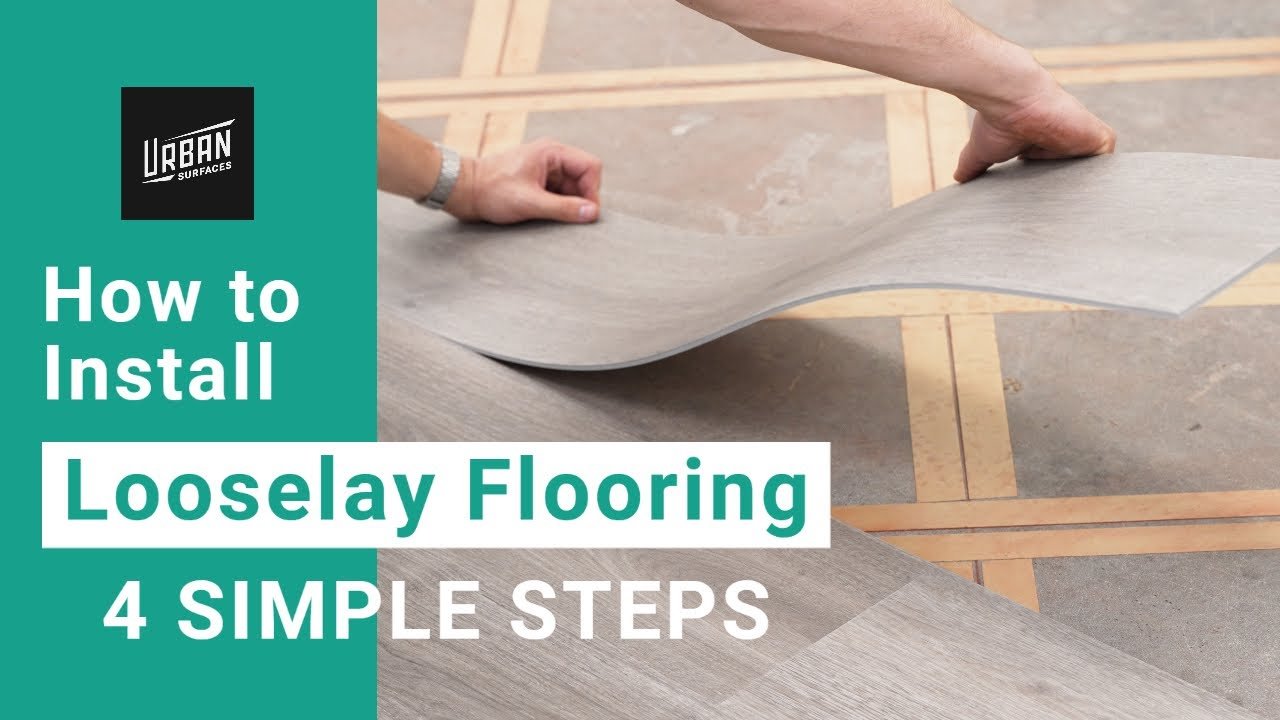
The products we specify for hospitality environments address these loads directly. MSI Kallum loose lay LVT features a rigid SPC core and 20-mil commercial wear layer that distributes rolling loads across the plank surface rather than concentrating stress at the contact point. We have installed this product in hotel corridors in Nashville where luggage carts exceed 200 lbs daily—after 18 months, there is no visible indentation or edge separation.
Carpet tile remains a viable option for hospitality corridors where acoustic performance and a soft underfoot feel take priority. Products like the Pentz Uplink and Chivalry tile lines deliver 30+ oz face weight with solution-dyed nylon fiber, providing stain resistance and colorfastness that withstand the aggressive cleaning protocols hospitality environments demand. The key advantage of carpet tile over broadloom is the same as loose lay LVT: individual tiles can be replaced without disturbing surrounding sections.
Moisture exposure in hospitality is constant and unavoidable. Guest room bathrooms, lobby entrances during rain events, pool areas, and commercial kitchens all introduce water to the flooring surface. Any product specified for these areas must be 100% waterproof—not just water-resistant. LVT with an SPC core achieves this because the stone polymer composite does not absorb moisture. Unlike WPC (wood polymer composite) products, SPC will not swell even under prolonged water exposure.
Cleaning chemical resistance is an underappreciated specification requirement. Hotels use industrial-strength cleaners, quaternary ammonium disinfectants, and occasionally bleach-based solutions. Some flooring wear layers degrade under these chemicals, losing their protective coating and becoming susceptible to staining and abrasion. The MSI Kallum wear layer is rated for commercial cleaning protocols without requiring specialized or restricted cleaning products.
Aesthetic consistency across large installations matters in hospitality more than any other commercial sector. Guests notice when the lobby floor looks different from the corridor, or when replacement planks do not match the originals. We address this by specifying products with sufficient color variation within the design—natural wood-look patterns with 20+ unique print faces prevent the "tiled wallpaper" effect while ensuring any replacement plank blends visually with the existing installation.
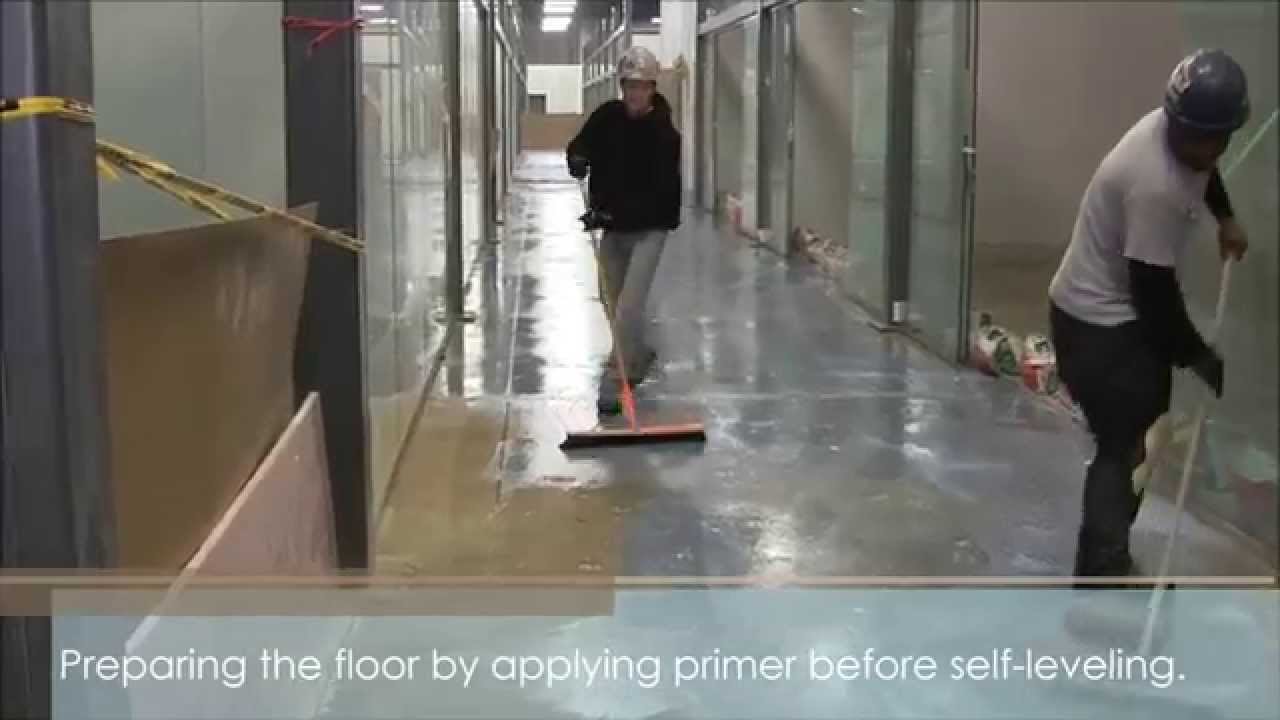
Installation phasing is critical for hotels that cannot afford to close entire floors. We have executed renovations where guest rooms on one side of a corridor are occupied while the other side is being installed. This requires precise coordination: subfloor prep, material staging, and installation sequences that minimize noise, dust, and chemical exposure in adjacent occupied spaces. Loose lay systems make this feasible because there are no adhesive fumes and no 24-hour cure windows.
The total cost of ownership calculation for hospitality flooring should model at least a 10-year horizon. Material cost, installation labor, adhesive (if applicable), annual maintenance, expected repairs, and eventual replacement must all factor in. In our experience, loose lay LVT in hospitality corridors and common areas delivers 15-20% lower total cost of ownership compared to glue-down LVT, primarily due to faster repairs and the ability to replace individual planks rather than entire sections.
For Nashville-area hospitality operators planning renovations, the key is working with a flooring partner who understands both the product specification and the operational constraints of environments that never fully shut down. A site walk is the starting point—we assess subfloor conditions, traffic patterns, moisture exposure zones, and your operational calendar before recommending any product or installation method.
Related Services
180 Degree Floors & Moore — Commercial Division
Schedule Site Walk