Loose Lay vs. Glue-Down: Which System Works for High-Traffic Facilities?

Ronell Moore
Owner, 180 Degree Floors & Moore
When facility managers evaluate flooring options for commercial environments, two installation methods dominate the conversation: loose lay and glue-down. Each has distinct operational implications that extend well beyond the initial installation. Choosing the wrong method can lock a property into years of inflated maintenance costs and avoidable downtime.
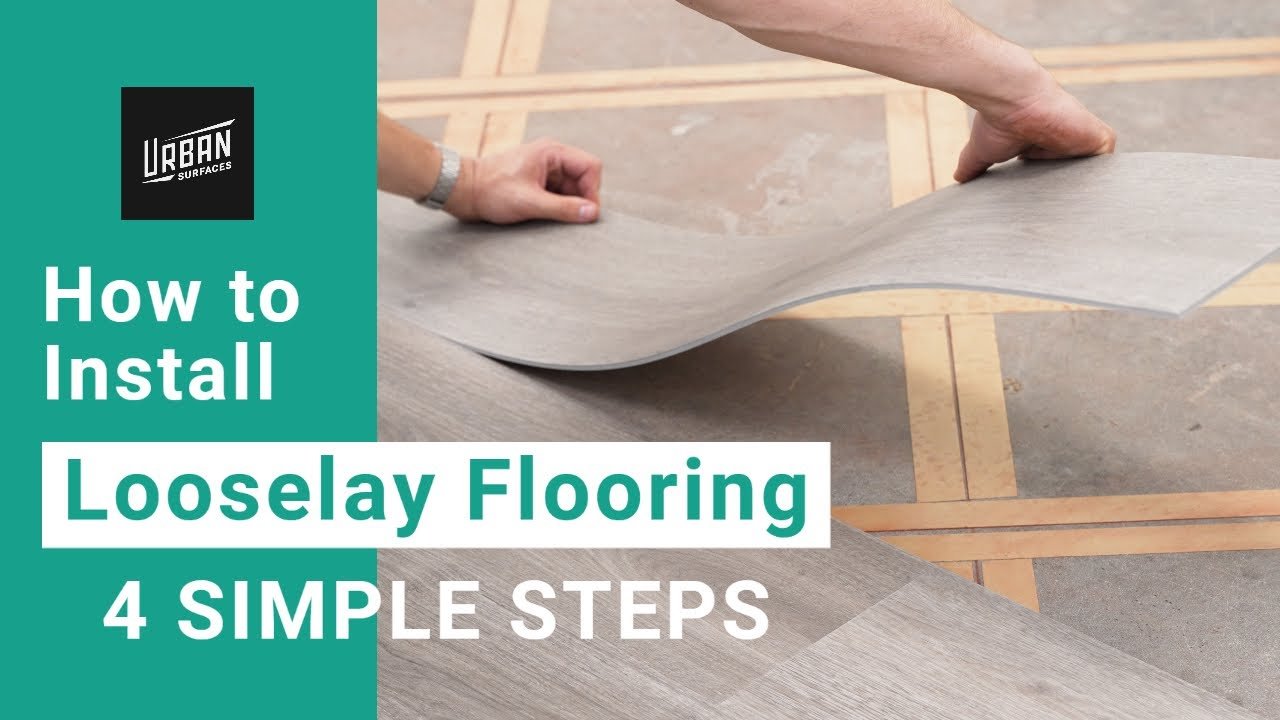
Loose lay systems use gravity and friction to hold planks in place, eliminating adhesive entirely. Products like the MSI Kallum series weigh approximately 15 lbs per plank in the 9×60 format, generating enough downforce to stay put under rolling loads and heavy foot traffic. Individual planks can be lifted and replaced without disturbing adjacent sections—a critical advantage in environments where damage is inevitable and downtime is expensive.
Glue-down installations bond each plank permanently to the subfloor using pressure-sensitive or full-spread adhesive. While this creates an extremely stable surface that handles rolling loads well, any future repairs require cutting out damaged sections, scraping adhesive residue, re-prepping the subfloor, and waiting for new adhesive to cure. In a hotel lobby or event venue, that process can mean closing off high-traffic areas for 24 to 72 hours per repair zone.
The upfront cost comparison is closer than most facility managers expect. Loose lay material typically runs $0.50 to $1.50 higher per square foot than comparable glue-down products. However, loose lay installations eliminate the cost of adhesive ($0.15–$0.35/sq ft), adhesive labor, and trowel disposal. When the full installation scope is priced, the gap shrinks to roughly $0.20–$0.80 per square foot in most commercial specifications.
Where loose lay dominates the cost equation is in lifecycle maintenance. Replacing a single damaged loose lay plank takes under five minutes with no specialized tools. The same repair on a glue-down installation requires heat guns, scrapers, new adhesive, and at minimum four hours of cure time before the area can be walked on. Over a 15-year lifecycle in a high-traffic facility, this difference compounds into thousands of dollars in avoided labor and lost-revenue costs.
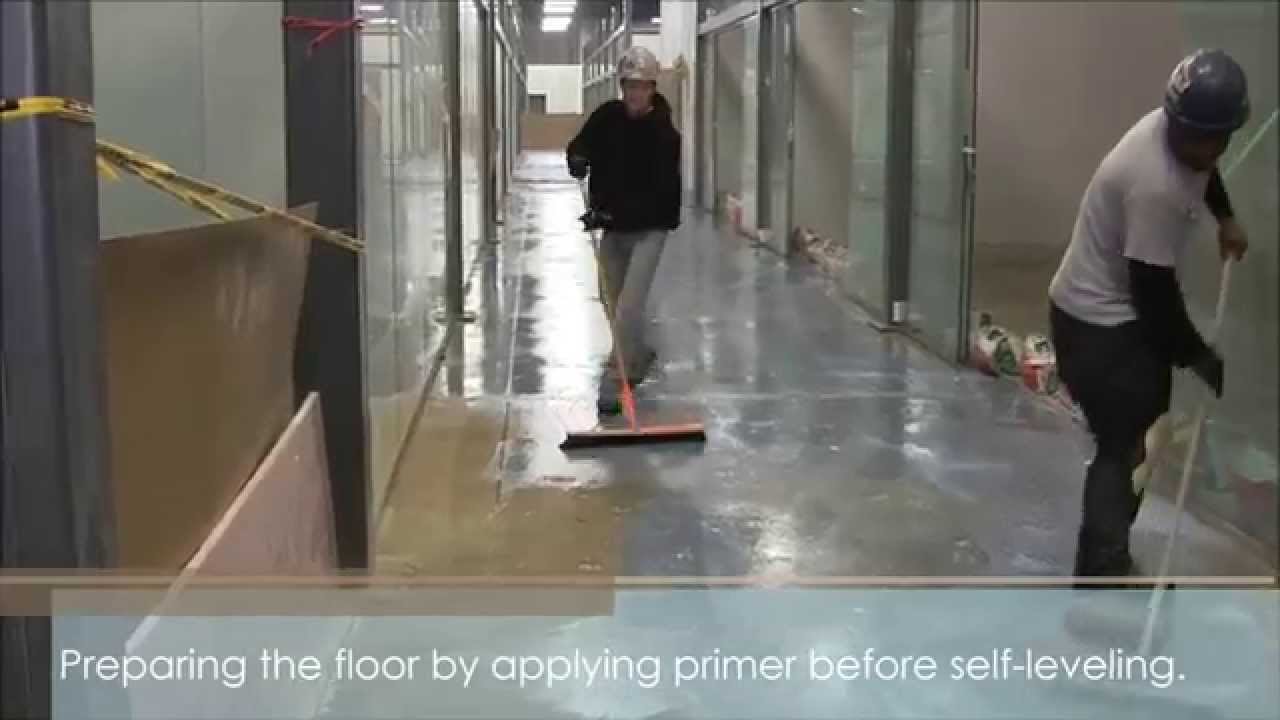
Subfloor tolerances differ between the two methods. Glue-down LVT can mask minor subfloor imperfections because the adhesive layer provides some fill. Loose lay planks telegraph every imperfection—a bump of 1/8 inch will be visible and felt underfoot. This means loose lay installations demand a more precise subfloor prep to ASTM F710 standards: flat within 3/16 inch over a 10-foot radius. At 180 Degree Floors, our substrate-to-surface approach includes diamond grinding and self-leveling to meet these tolerances before any flooring goes down.
Rolling load performance is a common concern. ASTMs F2753 and F970 test flooring resistance to wheeled traffic. Both loose lay and glue-down commercial LVT typically meet the 250-lb rolling load standard, but performance in the field depends on plank thickness, core rigidity, and installation quality. We have installed MSI Kallum loose lay in hotel corridors handling luggage carts exceeding 200 lbs daily without edge lifting or plank migration.
Moisture management also factors into the decision. Glue-down systems require the subfloor to meet specific moisture vapor emission rate (MVER) thresholds—typically under 3 lbs per 1,000 sq ft per 24 hours when tested via ASTM F1869 calcium chloride. Exceeding these limits causes adhesive failure. Loose lay systems are more forgiving because there is no adhesive bond to fail; however, trapped moisture can still cause mold or odor beneath any flooring system, so we test every slab regardless of installation method.
Sound transmission is another differentiator. Loose lay planks with integrated backing pads—like those in the MSI Kallum line—can achieve IIC (Impact Insulation Class) ratings of 72 and STC (Sound Transmission Class) ratings of 66 without additional underlayment. Glue-down installations transmit more impact noise directly through the adhesive bond to the subfloor, typically requiring a separate acoustic membrane to achieve comparable ratings.
The decision framework we use with clients is straightforward. If the facility needs the ability to phase installation around active operations, swap damaged sections without downtime, or maintain the floor without specialized contractors, loose lay is the better system. If the facility requires maximum rolling load resistance in industrial applications, or the subfloor has significant imperfections that would require extensive leveling, glue-down may be more practical.
For most commercial environments we serve across Nashville, Knoxville, Chattanooga, Huntsville, and Murfreesboro—hotels, event venues, worship spaces, and multifamily common areas—loose lay delivers the best combination of durability, maintainability, and lifecycle cost. The key is ensuring the subfloor preparation is done right, because the plank cannot compensate for what is underneath it.
Related Services
180 Degree Floors & Moore — Commercial Division
Schedule Site Walk