Luxury Vinyl Tile in Commercial Applications: Performance Data

Ronell Moore
Owner, 180 Degree Floors & Moore
Luxury Vinyl Tile (LVT) has become the fastest-growing category in commercial flooring, driven by improvements in wear layer technology, dimensional stability, and design printing that have made modern LVT virtually indistinguishable from natural materials at a fraction of the cost. But not all LVT performs equally in demanding environments. Understanding the specifications that separate commercial-grade from residential-grade product is essential for any facility manager making a flooring investment.
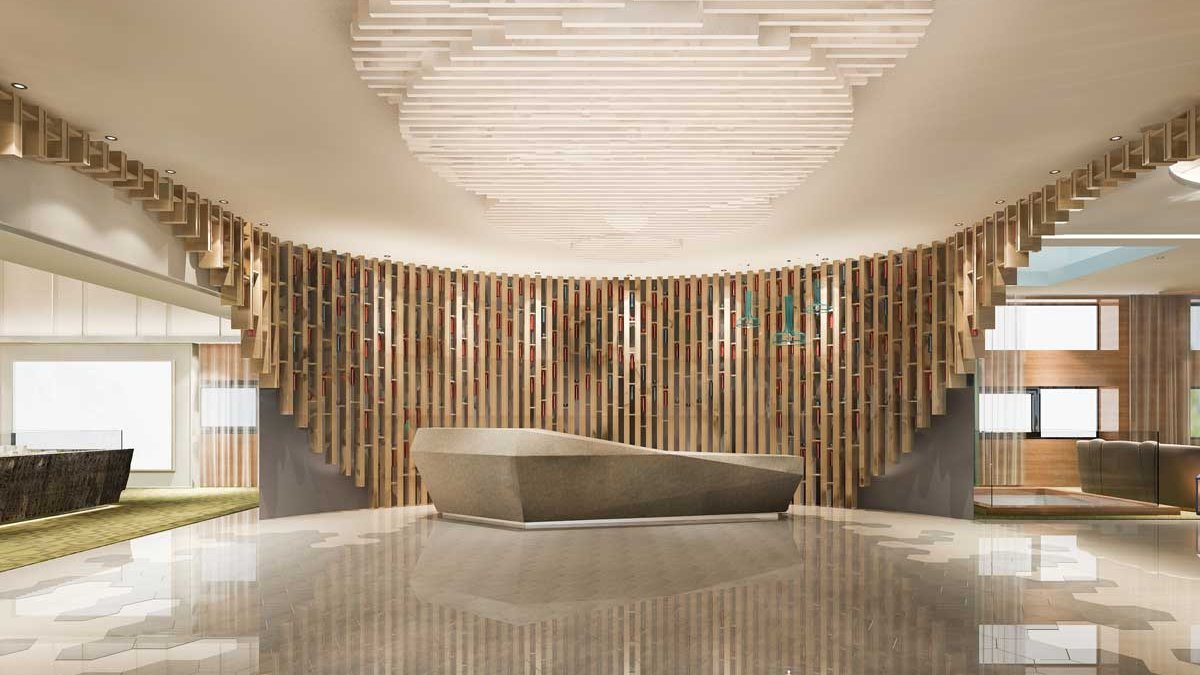
Wear layer thickness is the primary differentiator between commercial and residential LVT. Commercial-grade products feature a 20-mil (0.50 mm) or greater wear layer, compared to 6-12 mil in residential products. This thicker wear layer provides the abrasion resistance necessary for environments seeing 30,000 to 100,000+ footfalls per day—common in hotel lobbies, retail spaces, and event venues. The MSI Kallum series we specify features a 20-mil wear layer with a polyurethane topcoat that resists scuffing, staining, and micro-scratching from daily traffic.
Core construction determines dimensional stability, impact resistance, and suitability for specific environments. Three core types dominate the commercial market: SPC (stone polymer composite), WPC (wood polymer composite), and traditional flexible LVT. SPC cores—composed of limestone powder and PVC—are the densest and most rigid, providing superior indentation resistance and dimensional stability. WPC cores are lighter and slightly softer underfoot but less resistant to point loads. Flexible LVT has no rigid core and requires a perfectly flat subfloor.
For commercial applications, we strongly favor SPC core products. The density of the stone polymer composite core (typically 1,900-2,100 kg/m³) provides the structural rigidity needed to resist rolling loads from luggage carts, pallet jacks, and equipment dollies. WPC products, while comfortable underfoot, can develop compression marks under sustained static loads—a common failure mode in hospitality corridors and event spaces where equipment sits in the same position daily.
Dimensional stability has improved significantly with rigid core technology. SPC LVT resists expansion and contraction across temperature ranges from 0°F to 140°F without buckling or gapping. This makes it suitable for spaces with large windows, inadequate HVAC, or seasonal temperature swings common in retail, hospitality, and worship environments. Traditional flexible LVT can expand up to 1/32 inch per linear foot with a 30°F temperature increase—enough to cause buckling in large open installations.
Water resistance is a binary specification in commercial environments: the flooring is either waterproof or it is not. SPC LVT is 100% waterproof—the core will not absorb moisture even under prolonged submersion. This makes it appropriate for hotel bathrooms, commercial kitchens, building entrances, and any space where spills or cleaning moisture are routine. WPC products, despite marketing claims of water resistance, can absorb moisture through the wood fiber component of the core over extended exposure, leading to swelling and delamination.
Acoustic performance varies significantly between LVT products. Unattached LVT on a concrete slab can transmit impact sound efficiently, creating a loud, hollow feel underfoot. Products with integrated acoustic backing—like IXPE (irradiation cross-linked polyethylene) pads—reduce impact sound transmission without requiring separate underlayment. The MSI Kallum series achieves IIC 72 and STC 66 ratings with its integrated backing, making it suitable for multistory applications where sound transmission between floors is a concern.
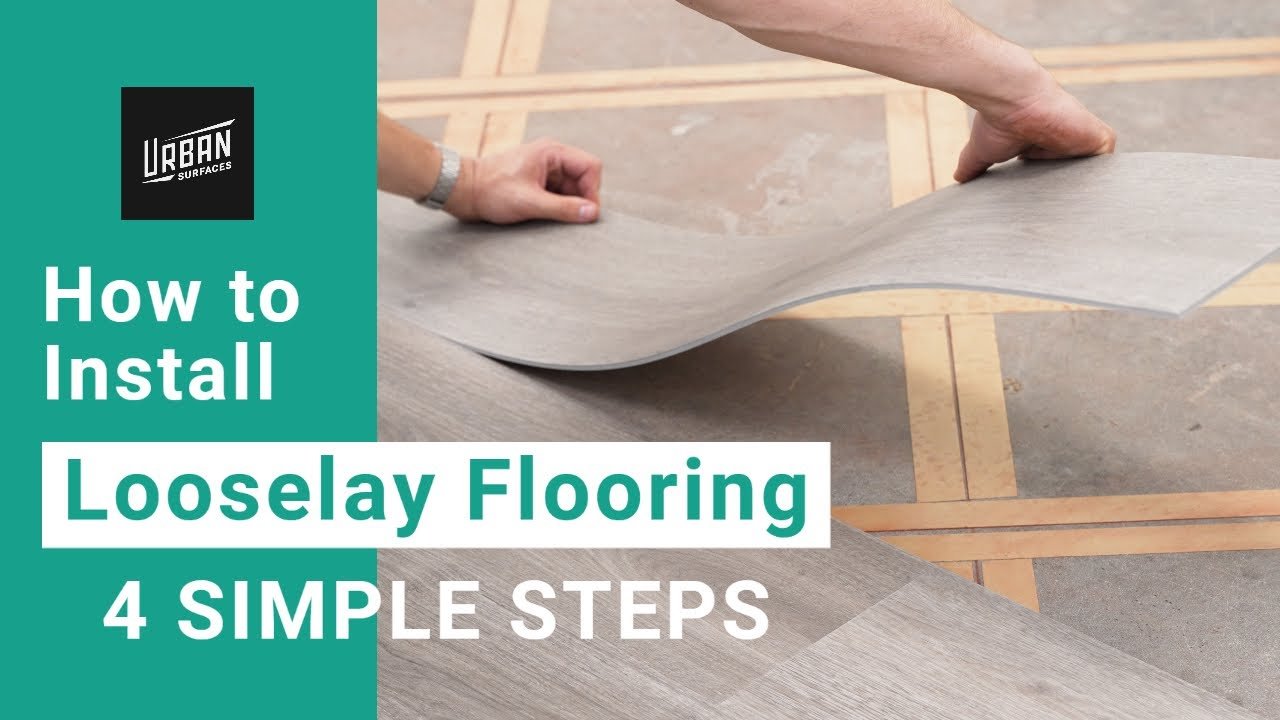
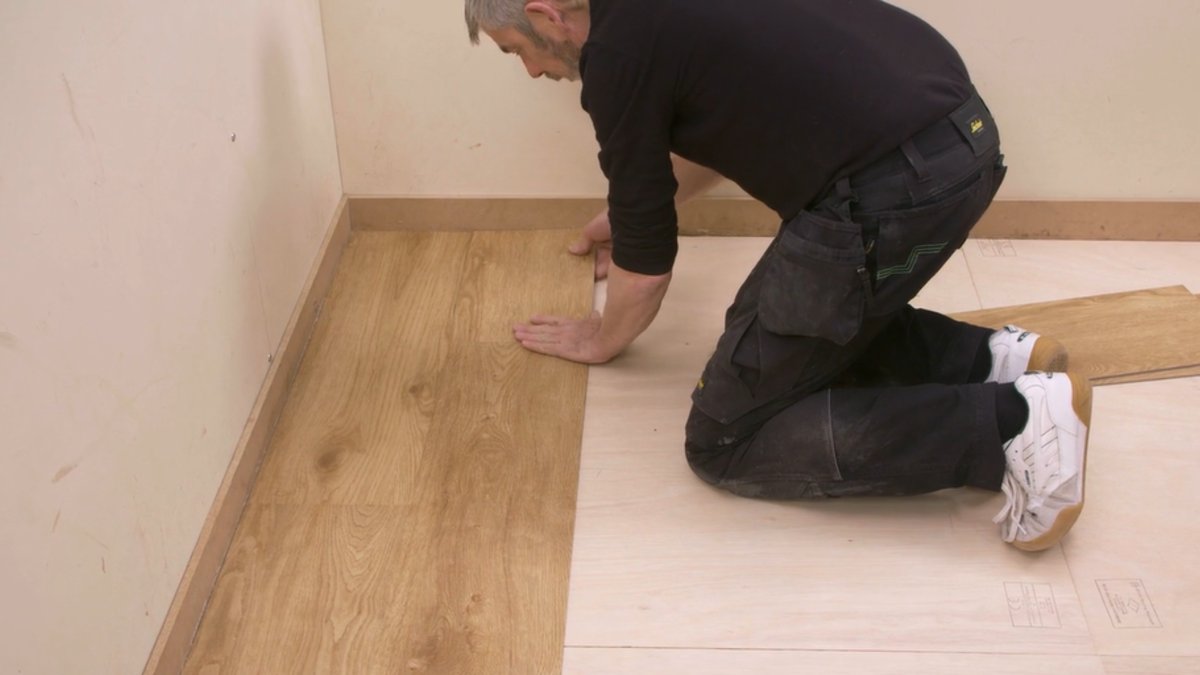
The installation method affects both performance and lifecycle cost. Loose lay LVT relies on plank weight and friction to remain in place, enabling tool-free replacement of individual planks. Glue-down LVT bonds permanently to the subfloor, creating maximum stability but requiring destructive repair methods. Click-lock systems use mechanical interlocking edges, but in commercial environments, the locking mechanisms can fatigue under heavy rolling loads, causing edge separation over time. We recommend loose lay or glue-down for commercial applications and avoid click-lock systems in any high-traffic specification.
Design realism in commercial LVT has reached a point where many architects and designers cannot distinguish installed LVT from natural hardwood or stone in photographs. High-definition digital printing combined with registered embossing—where the surface texture aligns exactly with the printed grain pattern—creates a visual and tactile experience that convincingly replicates natural materials. Products typically offer 15 to 25 unique print faces, preventing the repetitive "wallpaper effect" visible in lower-end products.
Sustainability credentials are increasingly relevant in commercial specifications, particularly for projects pursuing LEED or WELL certification. Commercial LVT products contribute to credits for low-emitting materials (VOC testing to CDPH Section 01350), recycled content (many products contain 20-30% pre-consumer recycled material), and responsible sourcing (FloorScore or GreenGuard Gold certification). The MSI Kallum and Engineered Floors lines we specify carry FloorScore certification for indoor air quality.
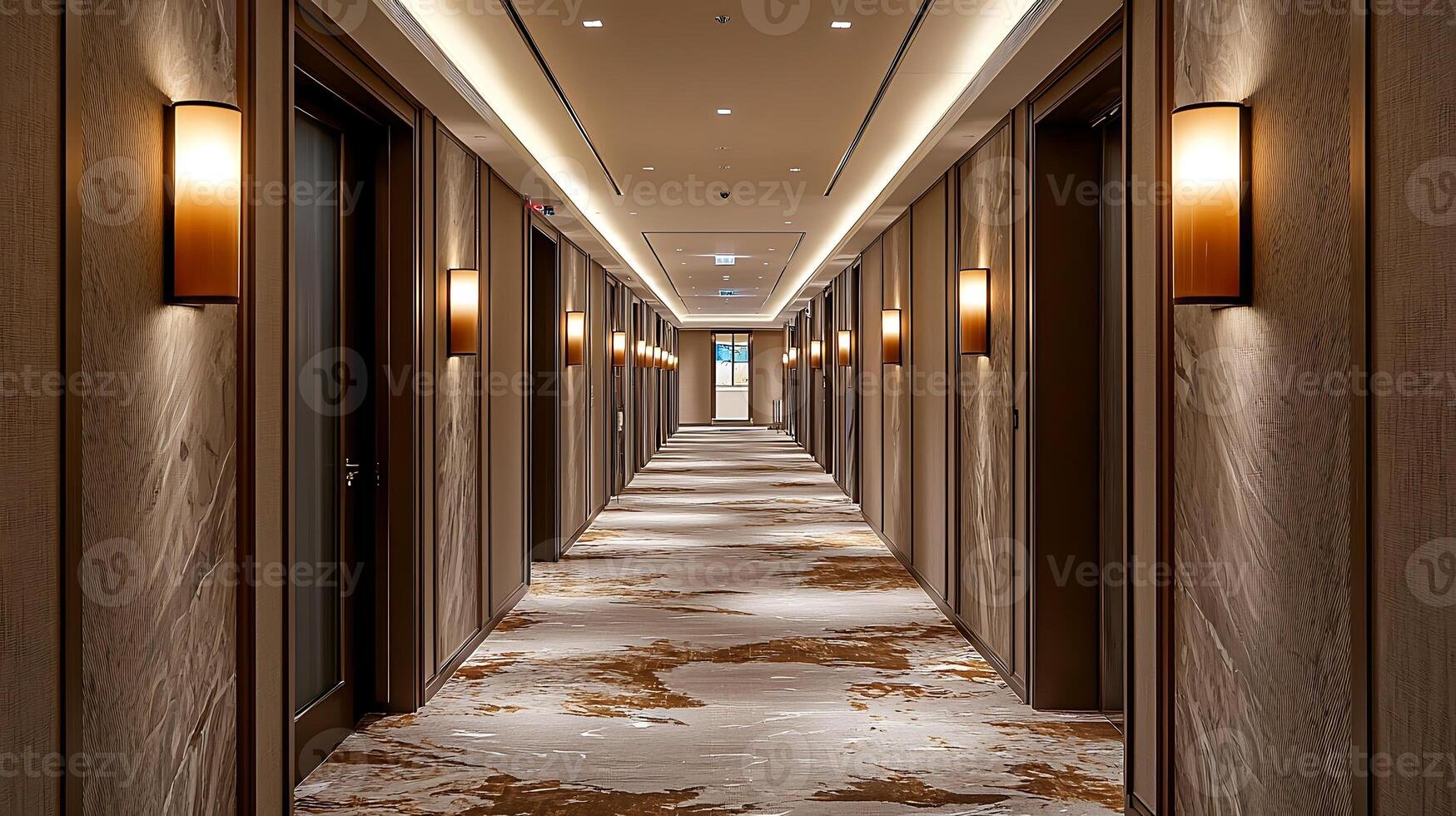
The specification selection process should match the product to the specific demands of each zone within a facility. Lobby and corridor areas need maximum wear layer thickness and rolling load resistance. Guest rooms prioritize acoustic performance and design aesthetics. Bathrooms and kitchens demand waterproof construction. Common areas need all of the above plus replaceability for maintenance. A single product rarely serves every zone optimally—which is why we specify different products for different areas within the same facility.
For commercial environments across our Tennessee and Alabama service area, we carry stock of MSI Kallum, Engineered Floors Outerbanks and Andes Plus, and Pentz commercial carpet tile lines. Having product available locally eliminates lead times that can delay project timelines by weeks. Contact us for a site walk and we will spec the right product for each zone in your facility based on traffic data, moisture exposure, and your operational requirements.
Related Services
180 Degree Floors & Moore — Commercial Division
Schedule Site Walk