Flooring Systems for Worship and Community Spaces

Ronell Moore
Owner, 180 Degree Floors & Moore
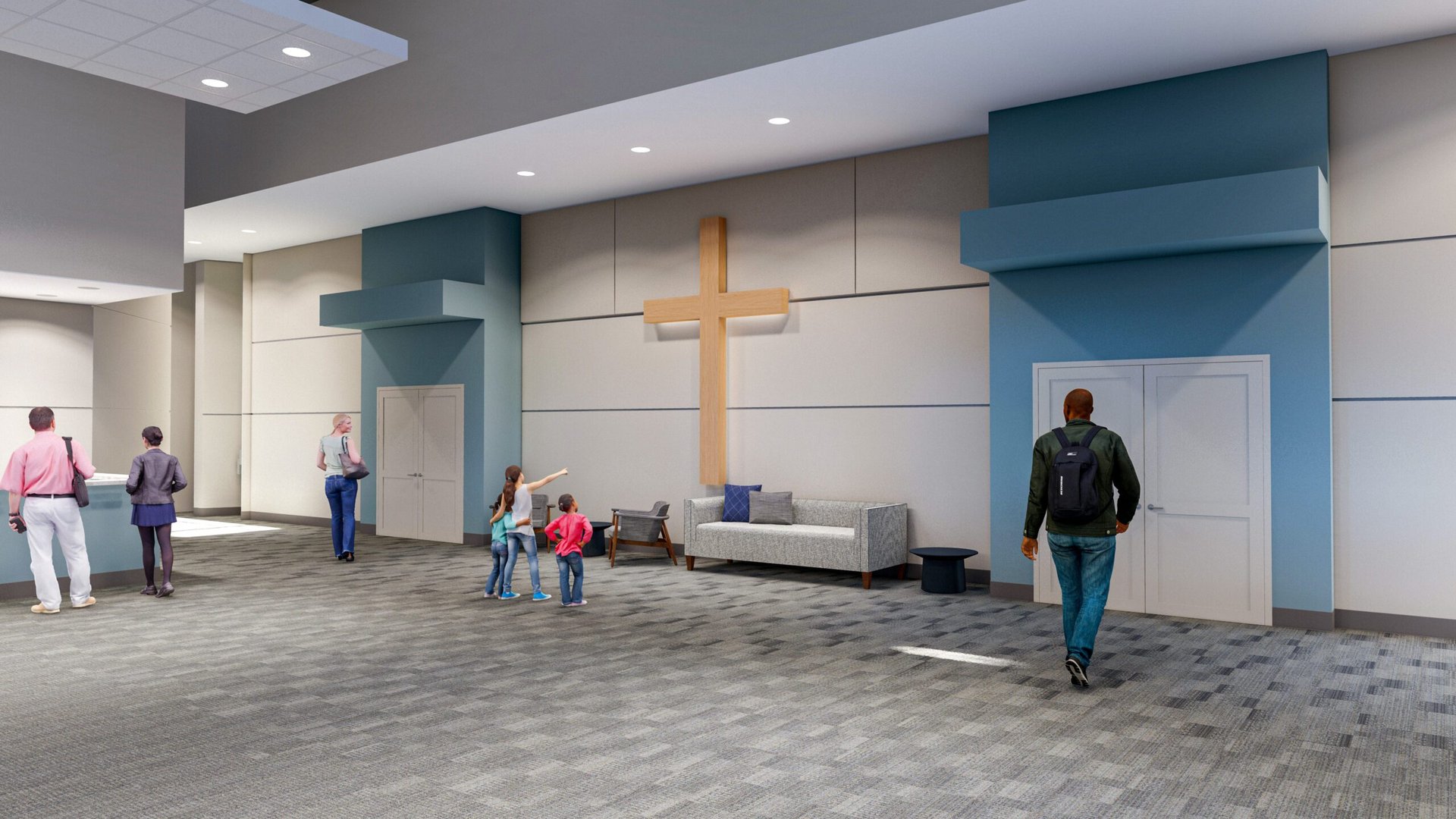
Worship and community spaces serve as multi-purpose facilities that host everything from Sunday services and concerts to community dinners, youth activities, and large-scale events. This variety of use creates flooring demands that single-purpose materials cannot satisfy. The floor must perform acoustically for worship, withstand rolling loads from event setup, handle spills from community meals, and still look appropriate for the most reverent moments of the week.
Acoustic performance is often the primary concern, particularly in sanctuaries and worship halls. Hard surface flooring creates echo and reverberation that degrades the audio environment for spoken word, musical worship, and recorded services. The reverberation time (RT60) in a worship space should typically fall between 1.5 and 2.5 seconds for a balanced mix of speech clarity and musical warmth. Flooring material directly affects this metric.
Modern commercial LVT with integrated acoustic underlayment can reduce impact sound transmission significantly. Products like the MSI Kallum series achieve IIC (Impact Insulation Class) ratings of 72 and STC (Sound Transmission Class) ratings of 66 without requiring separate underlayment installation. This means footsteps, chair movement, and dropped objects are substantially quieter—reducing the ambient noise floor during services without expensive acoustic treatments on walls and ceilings.
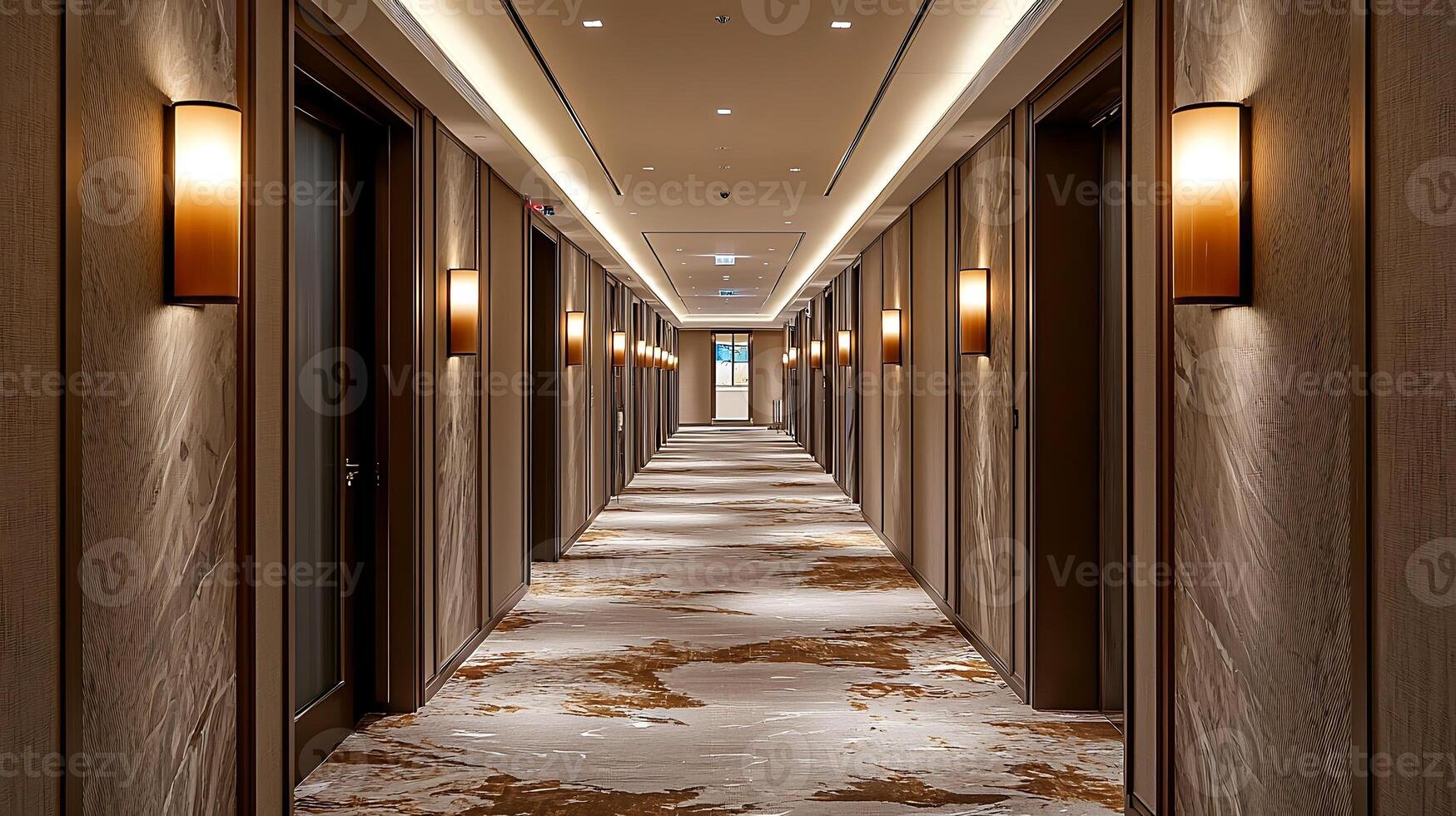
Carpet tile provides even higher acoustic absorption and remains an excellent choice for worship spaces where sound control is the top priority. Pentz commercial carpet tile lines like Uplink and Chivalry offer 30+ oz face weight with solution-dyed nylon that resists staining from communion spills, coffee, and the inevitable red punch at fellowship events. Individual tiles can be replaced when damaged—a critical feature for spaces where chairs, tables, and staging equipment are constantly being moved.
Multi-use fellowship halls face the most complex flooring challenge. A single space might host a seated worship overflow service at 9 AM, a standing-room youth event at 11 AM, a community dinner with 50 tables at 5 PM, and a basketball open gym at 7 PM. The flooring must resist indentation from chair legs, scratching from table slides, moisture from food and beverage service, and impact from athletic use—all in the same day.
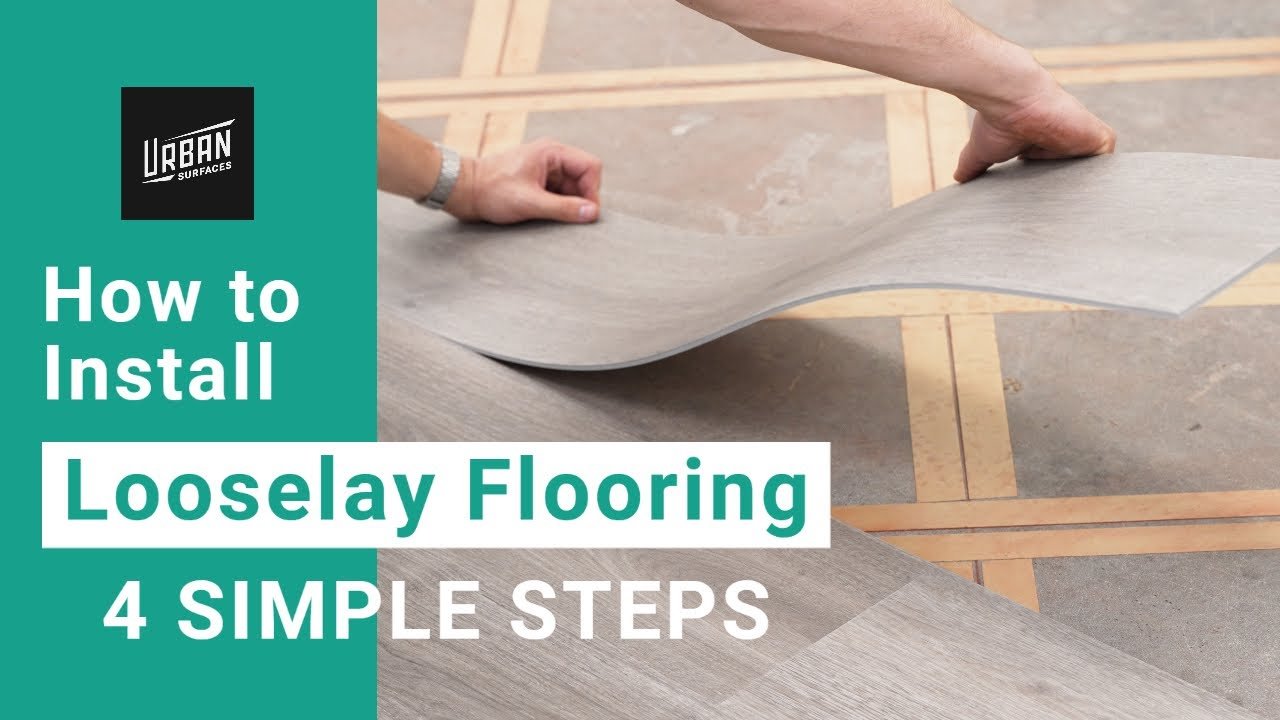
For these multi-use spaces, we typically recommend loose lay LVT. The material handles the full range of activities, and when a section sustains damage from a dropped table or a dragged chair, individual planks swap out in minutes. We have installed flooring in fellowship halls in Nashville and Murfreesboro where the facility hosts 5+ events per week on the same floor—the ability to do spot repairs between events keeps the floor looking new without waiting for a contractor.
Static load from stacked chairs is another specification consideration that worship facilities often overlook. 20 stacked chairs on a single set of legs can concentrate 400+ lbs on four contact points. Over time, this creates permanent indentations in flooring not rated for static load. Commercial LVT with rigid SPC cores distributes point loads better than WPC or traditional vinyl, making it more suitable for spaces that store furniture on the floor.
Budget constraints are real for most worship and community organizations. The temptation is to install the cheapest available product and replace it when it fails. In our experience, this approach costs 2-3x more over a 15-year period than installing the right product once. A commercial-grade loose lay LVT installation in a 5,000 sq ft fellowship hall runs roughly $5.00-$7.00 per square foot installed (including subfloor prep). Residential-grade click-lock LVT at $3.00/sq ft installed will need full replacement in 3-5 years in a multi-use environment—doubling or tripling the total cost.
Color and design selection should consider the full range of activities the space hosts. Light natural wood tones photograph well for services and events (important in the social media age), hide dust between cleanings, and create a warm, welcoming atmosphere. Very dark or very light solid colors show every scuff, scratch, and piece of debris—avoid them in high-use worship environments.
Maintenance planning is particularly important for worship facilities that rely on volunteer labor. The flooring system should be maintainable with standard equipment—dust mopping, damp mopping, and occasional machine scrubbing. It should not require specialized sealers, waxes, or professional maintenance equipment that the facility does not own and volunteers do not know how to operate.
Installation timing matters for worship facilities. Most churches have limited windows where the space is unoccupied. We work with facilities to plan installations during off-peak weeks—typically Monday through Thursday, with the space ready for Friday setup and weekend services. Loose lay installation enables this tight timeline because there are no cure times or off-gassing periods to navigate.
For worship communities across our service area in Tennessee and Alabama, we provide site walks that assess the full range of activities your space hosts before recommending any product or system. The right floor supports every use the space serves—not just the one that happens on Sunday morning.
Related Services
180 Degree Floors & Moore — Commercial Division
Schedule Site Walk